
Meet Restorative Practices Consultant Ada Gregory
When Conflict or Harm Occurs, There Is a Way Forward
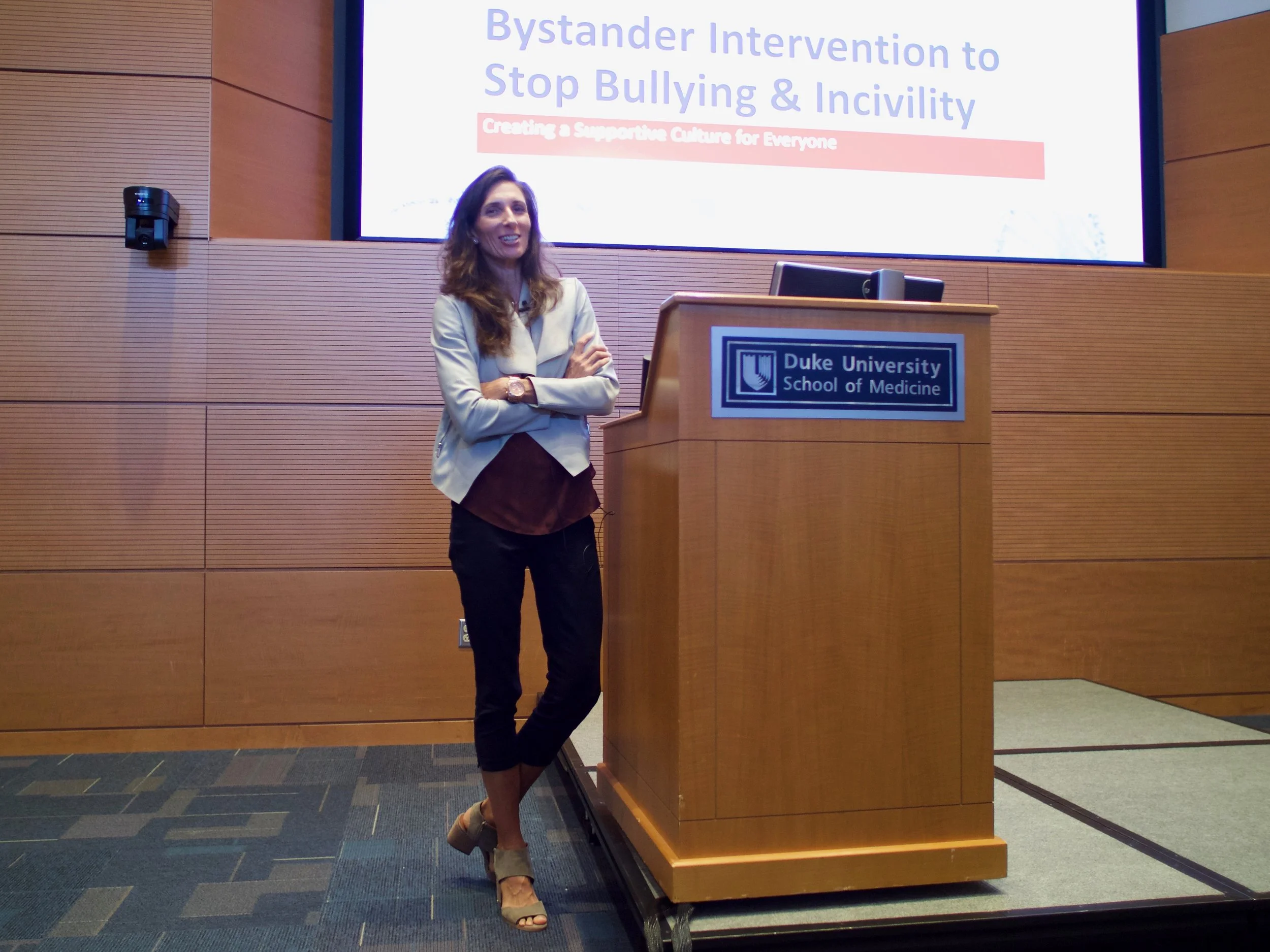
A decision isn't always enough.
Most organizational and interpersonal challenges aren’t just about individual behavior—they are shaped by the systems people operate within. How expectations are set. How decisions are made. How conflict is handled. How accountability is understood.
When those systems are unclear or inconsistent, even small tensions can escalate. When they are well-designed, institutions are better able to navigate complexity, maintain trust, and respond to challenges without unnecessary breakdown.
My work focuses on helping organizations and professionals within them strengthen how they manage relationships—before, during, and after conflict.
Moments of harm or crisis—a workplace incident, a breakdown in trust on a campus, a high-conflict family system, or a team under strain—are rarely isolated. They reflect patterns in how people have learned to engage with one another over time.
Restorative practices offer a framework for working not only to address harm when it occurs but shaping the relational conditions that influence how people communicate, make decisions, and take responsibility across contexts.
Working Together
I work with organizations and professionals to integrate restorative practices into how they already operate—so that conflict, accountability, and decision-making are approached more consistently and effectively across contexts.
This work includes:
Strengthening how teams establish expectations and norms
Improving how conflict is surfaced and addressed before it escalates
Creating clearer, more effective approaches to accountability
Supporting leaders in navigating high-stakes relational dynamics
When restorative practices are implemented thoughtfully, they provide structured ways for people to engage directly with one another—acknowledging impact, taking responsibility in ways that lead to learning and behavioral change, and working toward repair where appropriate.
Equally important, they help organizations and professionals move beyond reactive responses by making visible how everyday practices—how meetings are run, how feedback is given, how authority is exercised—shape the relational environment over time.
Depending on your needs, I work through organizational consultation, leadership development, professional training, and facilitated restorative processes. Whether you are leading a university, navigating a complex workplace issue, or working within legal or community systems, each engagement is tailored to your context and goals.
Why Trust This Work
I didn’t come to restorative practices through a training manual. I came to them through years of working inside systems where the stakes were high—and where the consequences of getting it wrong were real.
I began my career as a police officer in Durham, NC, responding to domestic violence calls and developing coordinated response protocols. I went on to work in state-level policy and funding, writing North Carolina’s model law enforcement policy on intimate partner violence and overseeing Violence Against Women Act funding. As Executive Director of a crisis response center, I led comprehensive services for survivors and conducted North Carolina’s first domestic violence safety and accountability audit—examining system-wide gaps from first response through long-term supervision.
Across these roles, I saw how systems shape behavior—and how often they fail to produce the outcomes they intend.
That experience informs how I approach restorative practices. They offer powerful tools—but they are not universally appropriate, particularly in situations involving coercive control, trauma, or significant power imbalance. Organizations I work with value that I bring both a deep belief in the potential of this work and a clear understanding of its limits.
Today, as Associate Director of the Kenan Institute for Ethics at Duke University, I lead restorative practices initiatives across institutional and community settings—working with judges, attorneys, healthcare professionals, educators, and organizational leaders to strengthen how they navigate conflict, accountability, and complex human dynamics.
Experience & Education
Professional Background
Program Director, ReWork Lab, Duke University
Associate Director, Kenan Institute for Ethics, Duke University
Faculty and Student Ombuds, Duke University
Director, Duke Women’s Center
Executive Director, Durham Crisis Response Center
Victim Services Planner, NC Governor’s Crime Commission
Police Officer & Domestic Violence Coordinator, Durham Police Department
Education
MA, Liberal Studies (Graduate Certificate in Women’s Studies), Duke University
BA, Political Science, Duke University
Professional Affiliations
International Ombuds Association
Restorative Justice Pedagogy Network